

Mother’s Day or Mothering Sunday as it was traditionally called, falls on March 14th this year. As you’d expect with any good tradition there is an expectation of cake. It used to be one of the busiest days in our Tearoom, people eager to indulge their mothers on this special day.
It would be easy to assume that this celebration of our mothers is a modern phenomenon, something invented to increase card sales. However, this is not the case. Mothers have been celebrated since the dawning of time. Ancient Greeks held an annual spring festival honouring Rhea who was the wife of Cronus and mother of many deities. Ancient Romans, similarly celebrated with the festival of Hilaria, which marks the importance of Cybele the mother goddess.
In Britain, Mothering Sunday is always celebrated on the fourth Sunday in lent, a custom dating back to the 17th century. Everyone was expected to return to the church of their christening, refreshing their commitment to God. As many worked far away from family, this was often the only day of the year that they would see their mothers. Over time small tokens of affections were bought to these annual meetings, usually a bunch of flowers or Simnel cake.

Simnel Cake
Simnel Cake, a rich fruit cake with two layers of marzipan (almond paste) has been a part of the Lent and Easter Celebrations since medieval times. Traditionally topped off with eleven marzipan balls, representing all of Jesus’ disciples minus Judas. Although it used to be commonly associated with the fourth Sunday in Lent (Mother’s Day), it is now more widely consumed at Easter.
Wishing you all a Happy Mothering Sunday.

What’s in a name? Is it a Fairy Cake or Cupcake?

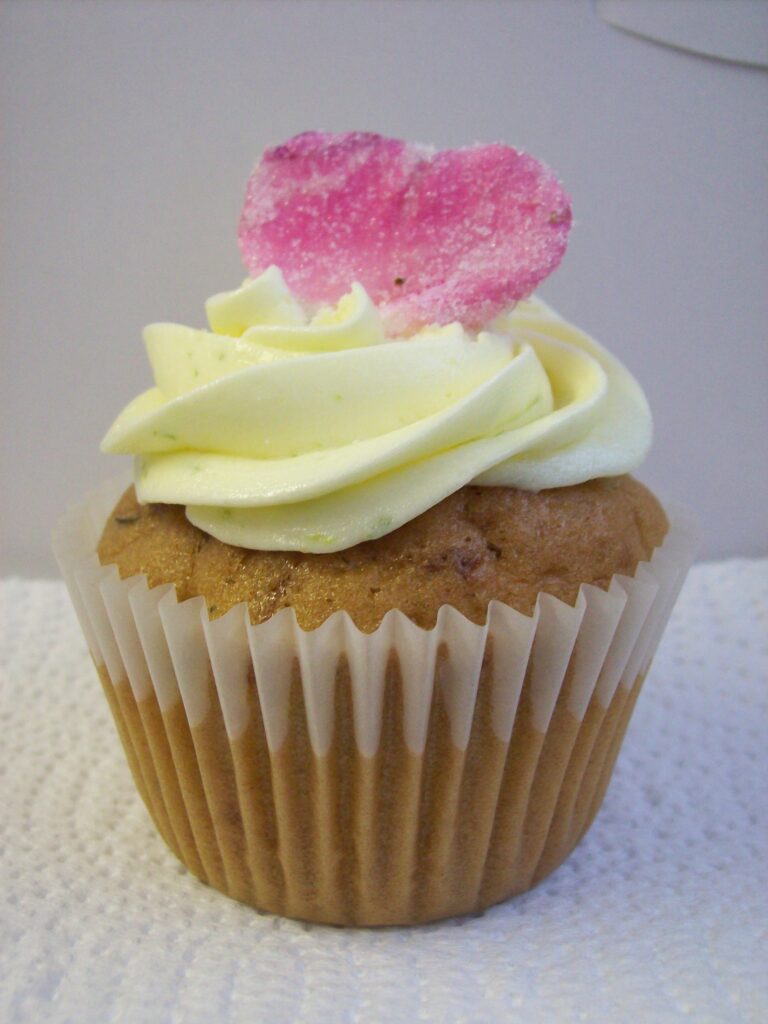
Quite often when deciding what to bake, I’m swayed in the direction of small or portioned cakes and traybakes. In my humble opinion, there is not a better small cake than a fairy cake. What? I hear you say, surely you mean a cupcake? Aren’t fairy cakes and cupcakes just the same thing under a different name? What’s in a name? Does it really matter? They both taste divine.
So with all the questions whirling away in my head and taking over from precious baking time, I thought I’d do a little research to help clarify the situation.
Fairy Cakes are quintessentially English or British in origin, where as Cupcakes are very much an American invention. Strangely enough they both make their first recorded appearance during the late 18th century. Quite impressive for the days before the worldwide web.
Fairy Cakes are usually smaller in size, being generally baked in a ‘Bun’ or ‘Patty’ tin, where as Cupcakes were traditionally made in cups, just as the name suggests. These days, however, they are usually cooked in a ‘Muffin’ tray.

It’s not just size that matters. Cupcakes are far more elaborately decorated than Fairy Cakes. Generally they are festooned with lashings of lightly whipped cream cheese topping or piled high with decadent buttercream icing. Fairy Cakes on the other hand, tend to be decorated with glace icing or have ‘butterfly wings’ held in place by a swirl of buttercream over a secret spoonful of jam.
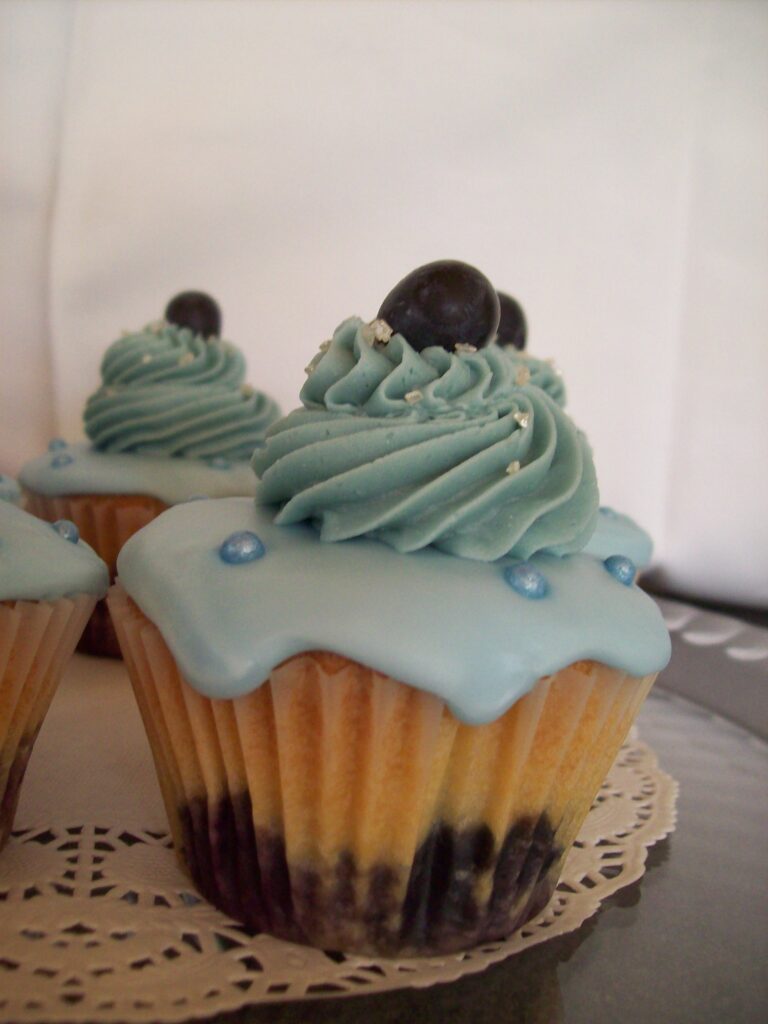
As with all things, the devil is in the detail, the devil in this case is the cake. Fairy Cakes are baked using a Victoria or standard sponge mixture. Equal proportions of butter, sugar, flour and eggs are mixed together to create a light sponge. Cupcakes traditionally used the 1234 method, 1 cup butter, 2 cups sugar, 3 cups flour with 4 eggs. Today, however Cupcakes can be made using any cake recipe that takes your fancy.
So there you have it, there really is more to these divine little cakes than their names.
With spring approaching why not try these beautiful Blood Orange or Sanguine Fairy Cakes, and yes they are Fairy Cakes.
Preheat the oven to 150 C, 325 F or Gas Mark 3